

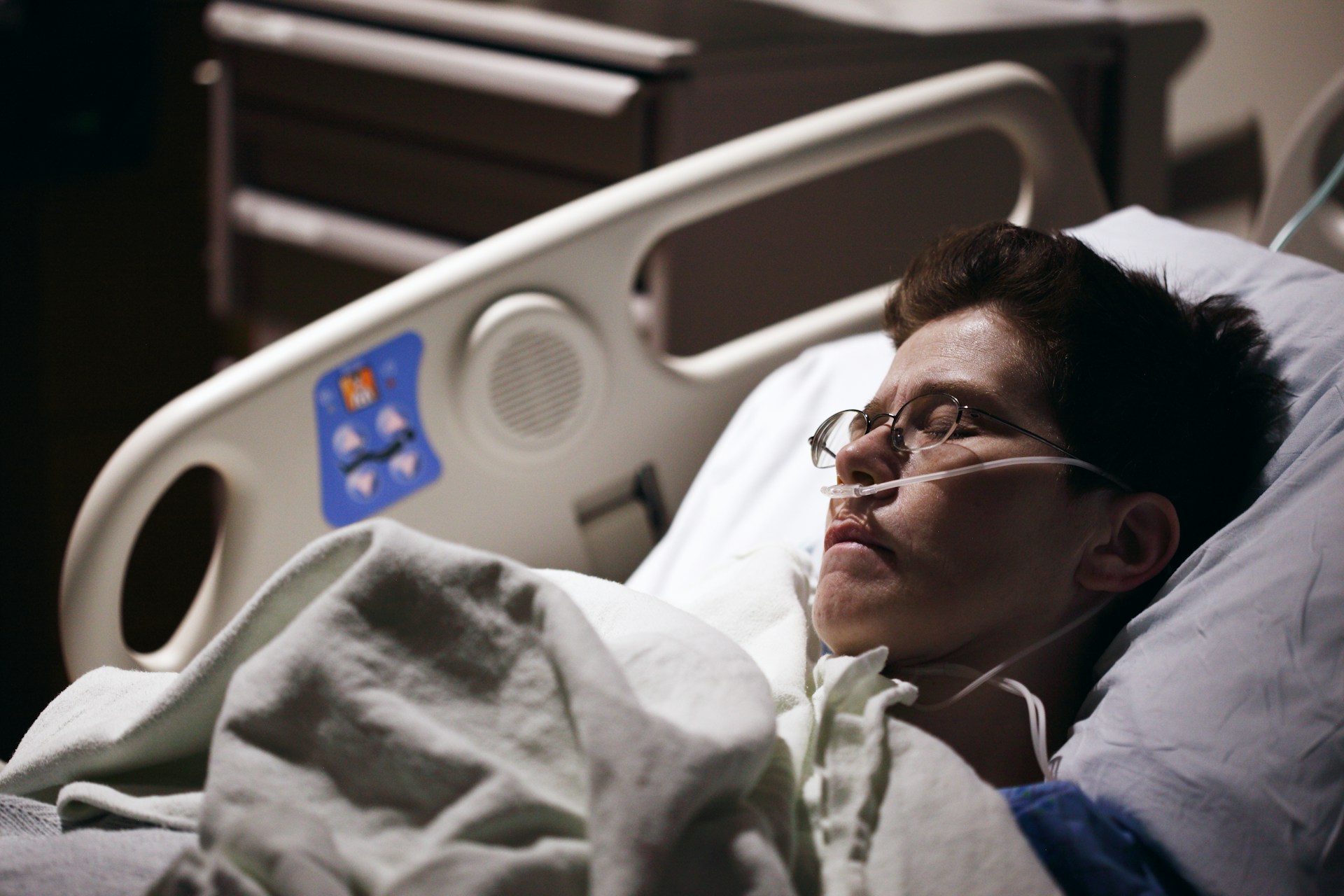
Discharge from the hospital marks an important milestone, but recovery does not end there. Healing at home introduces a new set of responsibilities and adjustments that can feel unfamiliar at first. Whether you are recovering from orthopedic surgery, a spinal procedure, or soft tissue repair, the transition from clinical care to daily life requires planning, patience, and reliable support. While your surgeon will outline a recovery plan tailored to your needs, there are several universal steps that can help make the process safer and more manageable.
Creating a Supportive Home Environment
Preparing your home ahead of time can ease the first few weeks of recovery. Simple changes, such as clearing pathways and removing tripping hazards, can significantly reduce the risk of falls. If stairs are difficult, setting up a temporary living space on one level may help conserve energy and prevent strain. Keeping essentials like medications, water, chargers, and assistive devices within reach allows you to stay comfortable without unnecessary movement.
The right recovery equipment can also improve safety and comfort. Cold therapy systems often provide more consistent relief than traditional ice packs and can help control swelling. Braces designed for your specific procedure offer added support during early mobility. Items such as electronic patient lifts, leg elevation wedges, and supportive recliners can make rest periods more effective. In bathrooms, grab bars, shower chairs, and raised toilet seats help reduce pressure on healing joints and muscles.
Footwear should not be overlooked. Shoes with good support and non-slip soles make walking and physical therapy exercises feel more secure, even over short distances.
Supporting Emotional and Mental Recovery
Recovery involves more than physical healing. Emotional ups and downs are common, especially when progress feels slower than expected. It helps to remember that recovery is rarely linear. Some days will feel productive, while others may require more rest. Staying patient and leaning on family, friends, or caregivers can make these fluctuations easier to manage.
While rest is essential, having a loose daily routine can provide structure and motivation. Small goals, such as increasing walking distance slightly, completing prescribed exercises, or regaining independence with daily tasks, help create a sense of momentum. Tracking these milestones, even informally, can also help your care team adjust recommendations as you heal.
Most importantly, give yourself permission to heal at your own pace. With thoughtful preparation, appropriate recovery tools, and a balanced mindset, healing at home can be a steady and empowering step toward long-term recovery and independence.
