

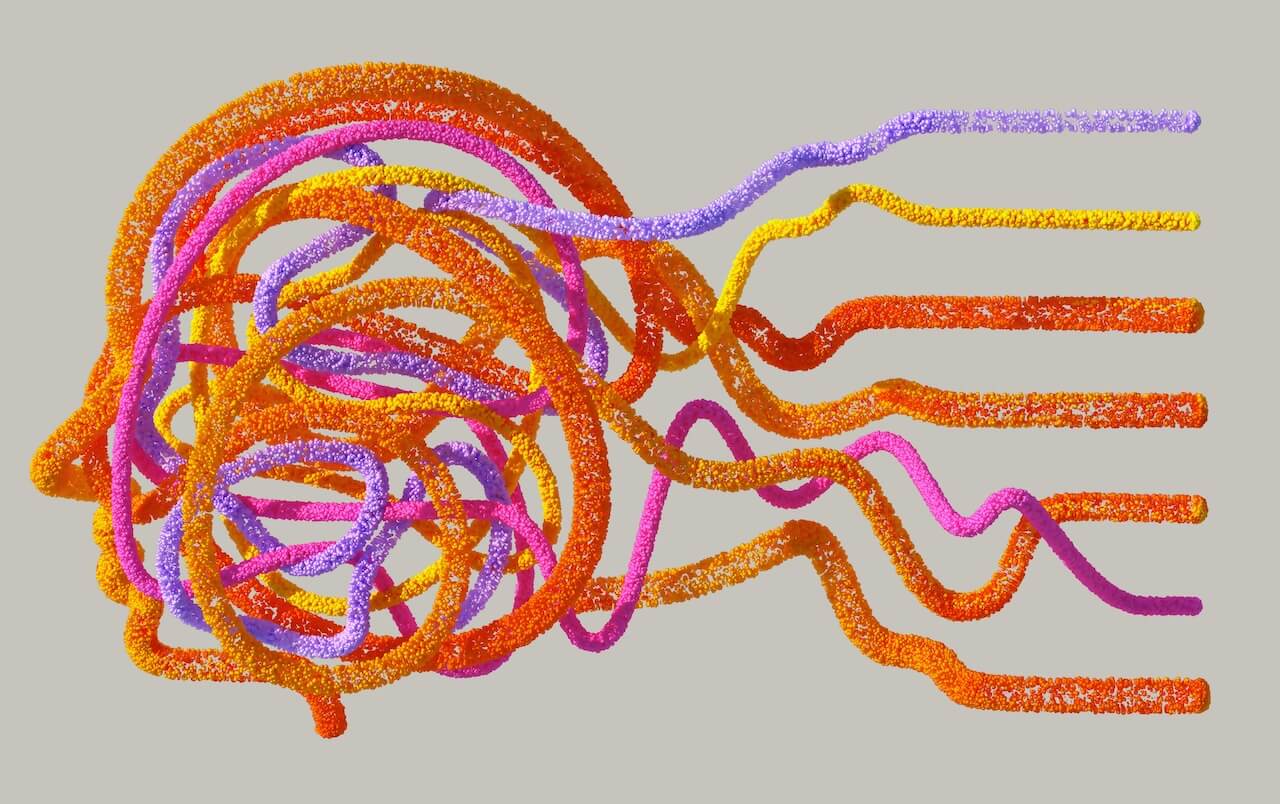
The nervous system quietly directs the body’s internal rhythm. It regulates how quickly the heart beats, how deeply we breathe, how muscles contract, and how organs communicate. When it operates with flexibility, the body moves smoothly between activity and rest. When it remains in a prolonged state of activation, subtle imbalances begin to surface.
Modern routines often reinforce constant stimulation. Artificial lighting extends the day. Screens compress work, communication, and entertainment into a single device. Meals are rushed. Sleep becomes fragmented. Over time, this pattern reinforces sympathetic dominance, the physiological state designed for short bursts of alertness. The body can adapt for a time, but sustained activation places strain on regulatory systems that depend on recovery periods.
The Body’s Signaling Patterns
The autonomic nervous system shifts between two primary states. The sympathetic response prepares the body for action. Blood flow shifts toward large muscles, breathing becomes shallow and rapid, and digestive activity slows. This state is appropriate during acute stress. The parasympathetic response restores equilibrium. Heart rate slows, digestion resumes, and tissue repair processes become more efficient.
Persistent activation of the stress response alters signaling patterns throughout the body. Shallow breathing reduces oxygen exchange and can reinforce tension in the neck and shoulders. Delayed digestive motility may contribute to bloating or discomfort. Sleep cycles may shorten, particularly deep sleep phases that support cellular repair. Muscular guarding can gradually develop into recurring pain patterns.
These changes do not occur in isolation. The nervous system communicates continuously with the endocrine and immune systems. Stress signaling influences cortisol rhythms, inflammatory pathways, and metabolic regulation. When recovery intervals are limited, the body begins to function in a narrower range of adaptability.
Restoring Regulation
Rebalancing nervous system tone requires intentional cues that communicate safety and stability. Slow diaphragmatic breathing signals the brainstem to shift toward parasympathetic activity. Exposure to natural light during the morning supports circadian alignment. Consistent meal timing reinforces digestive rhythm.
Manual therapies and acupuncture are often incorporated into restorative health care plans. Targeted stimulation of specific points may reduce muscle tension and encourage relaxation responses. Herbal preparations such as chamomile, lemon balm, and ashwagandha have long been used in traditional systems to support calm and digestive ease when selected appropriately.
Equally important is the structure of daily routine. Regular sleep and wake times, periods of quiet between tasks, and reduced evening light exposure help reestablish predictable physiological cycles. The nervous system responds to repetition. When cues of steadiness are repeated consistently, regulation gradually improves.
A balanced nervous system supports clarity, resilience, and physical comfort. To explore practical steps in greater detail, review the accompanying nervous system reset guide.
