

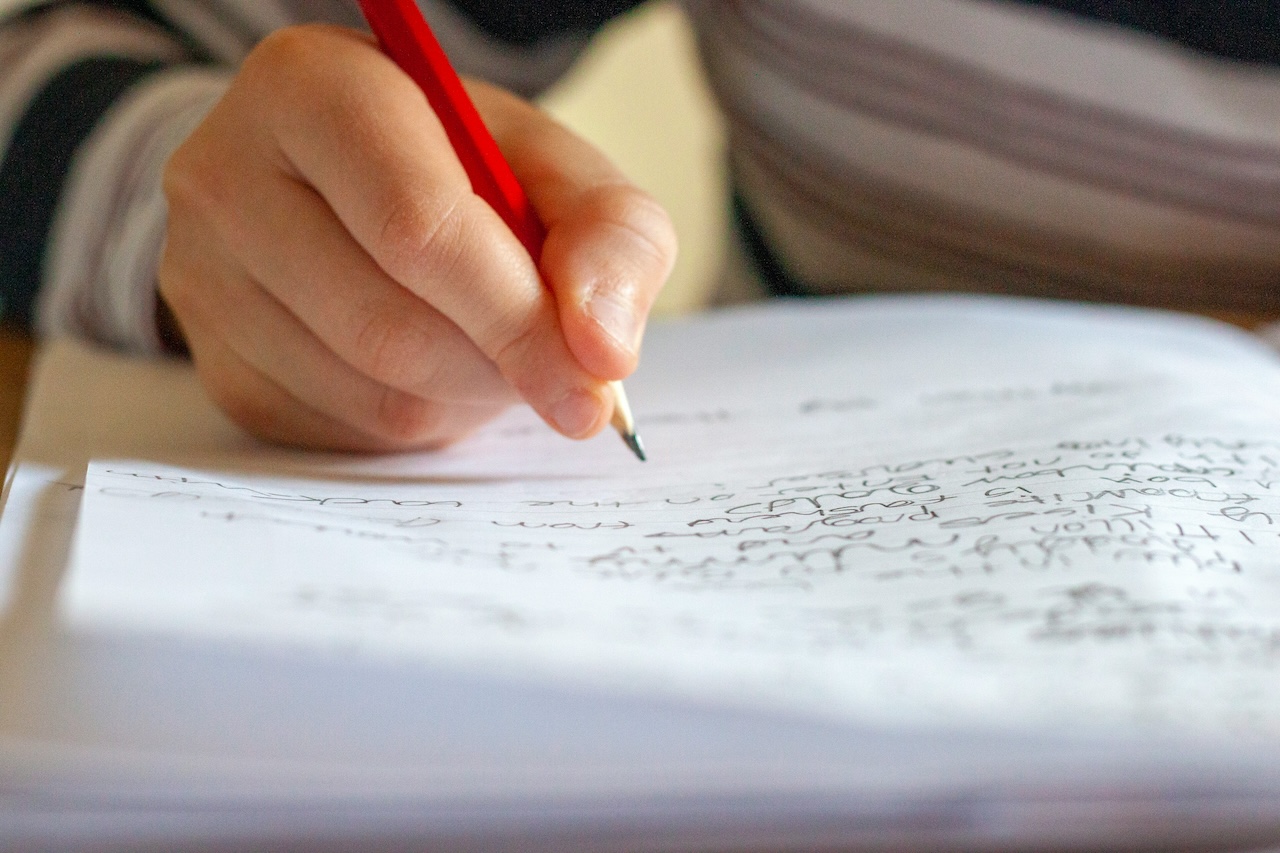
Writing by hand remains a meaningful practice, even as digital tools shape much of daily life. There is something grounding about placing pen to paper and watching thoughts take shape in real time. Unlike typing, handwriting introduces a natural rhythm that slows the pace of expression. That slower pace allows ideas to form with intention rather than haste, giving each thought room to develop.
When people write by hand, thinking often becomes more deliberate and considered. There is space to pause between words, to reconsider phrasing, and to let meaning settle before moving on. This process often reveals connections that might otherwise remain unnoticed. Writing becomes a way of working through ideas, not simply recording them for later use.
The physical qualities of handwriting also influence how ideas are remembered over time. Paper has weight and texture, and ink leaves a visible trace that feels personal and specific. A note written in the margin or a word underlined by hand can bring back the context of a moment long after it was written. These visual cues help anchor memory in ways that feel intuitive and familiar.
Handwriting also encourages discernment in a subtle but meaningful way. Because writing by hand takes effort, it naturally limits how much can be captured at once. Writers tend to choose what feels most important before committing it to the page. Over time, this habit of selection can sharpen focus and bring greater clarity to how information is processed.
There is a reflective quality to handwriting that many people continue to value. Journals and notebooks offer a private space where ideas can unfold without interruption or expectation. There are no alerts to respond to and no pressure to refine thoughts immediately. This quiet allows for patience, exploration, and a deeper relationship with one’s own thinking.
The tools used for handwriting shape the experience as well. A pen that feels balanced and paper that welcomes ink can make writing feel inviting rather than obligatory. When writing is physically comfortable, it becomes easier to return to the page regularly. Over time, familiar tools can turn writing into a steady practice rather than an occasional task.
Writing by hand is not a rejection of technology or progress. It is a thoughtful choice about how and when to engage with ideas. Screens are useful for speed, editing, and storage, while paper offers presence and focus. Each has its place, depending on the kind of thinking the moment calls for.
Handwriting continues to matter because it supports clarity, memory, and reflection in a direct and human way. It reminds us that thinking does not always need to move quickly to be effective. Often, the most lasting insights arrive when we slow down and allow ideas to take shape at their own pace.
To explore how handwriting supports thinking and memory, see the accompanying resource from Lavenger Company, a writing supplies store.
