

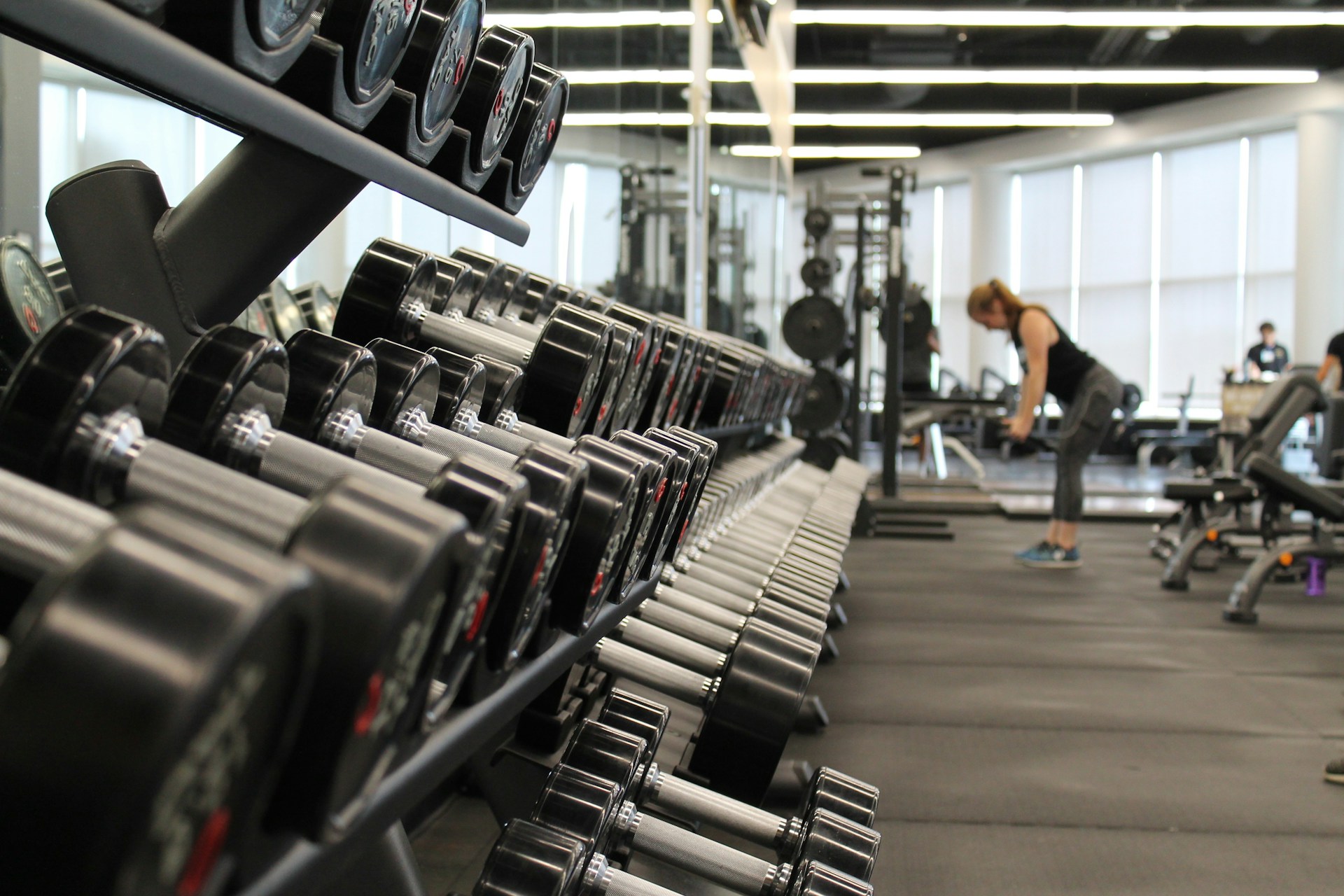
Today’s gyms have evolved far beyond rows of treadmills and weight racks. They are intentionally designed environments where technology, performance, and human connection intersect. Modern fitness facilities focus just as much on how people feel when they walk through the door as on the workouts themselves. This balance of innovation and community is redefining what it means to belong to a gym.
Design That Supports Motivation and Movement
In a modern gym, layout and design are central to the experience. Spaces are built to feel open, inviting, and flexible. Natural light, clear sightlines, and intuitive traffic flow make it easy for members to move between cardio areas, strength zones, and group fitness rooms without feeling crowded or overwhelmed.
Versatility is a major priority. Multiuse courts can shift from competitive sports to instructional classes, while adaptable training areas support everything from small-group workouts to larger community events. Locker rooms have also been reimagined. Instead of serving only a functional role, they now emphasize comfort and ease with features like private changing areas, upgraded showers, and family-friendly accommodations.
Technology That Enhances Engagement
Advanced technology plays a major role in shaping the modern gym experience. Smart fitness equipment connects with apps and wearable devices to track progress, personalize workouts, and help members stay motivated. Digital displays provide real-time updates on classes, programs, and facility news, making it easier for users to stay informed and involved.
Emerging tools like virtual and augmented reality are also gaining traction. These technologies introduce interactive training environments that can make workouts feel more engaging and approachable, especially for beginners. Rather than replacing human interaction, technology in today’s gyms is designed to support it by giving members better insight into their performance and goals.
Spaces Built for Belonging
Community is at the heart of modern gym design. Many facilities include shared spaces that encourage connection, such as lounges, childcare areas, and group activity zones. Programs like fitness challenges, wellness seminars, and recreational leagues help members build relationships and feel invested beyond their individual routines.
There is also a growing emphasis on recovery and mental well-being. Quiet rooms, stretching areas, and recovery-focused amenities like meditation spaces or cold therapy reflect a more holistic approach to health. These features acknowledge that progress depends on rest and balance as much as effort.
Modern gyms are shaping a new vision of fitness, one that combines smart design, innovative tools, and meaningful community engagement. They are places where people come not only to work out, but to connect, recharge, and grow together.
Ultimately, the future of gym design is rooted in intention: creating inclusive, motivating, and innovative spaces that encourage people not just to work out—but to thrive. For more on this, check out the accompanying infographic from construction sports equipment company, H2I Group.
